No Heat at Night: What to Check Before You Call, and When to Call Right Away
A few safe checks can save you a trip. A few situations mean you stop checking and get help.
October 16, 2026 · 4 min read
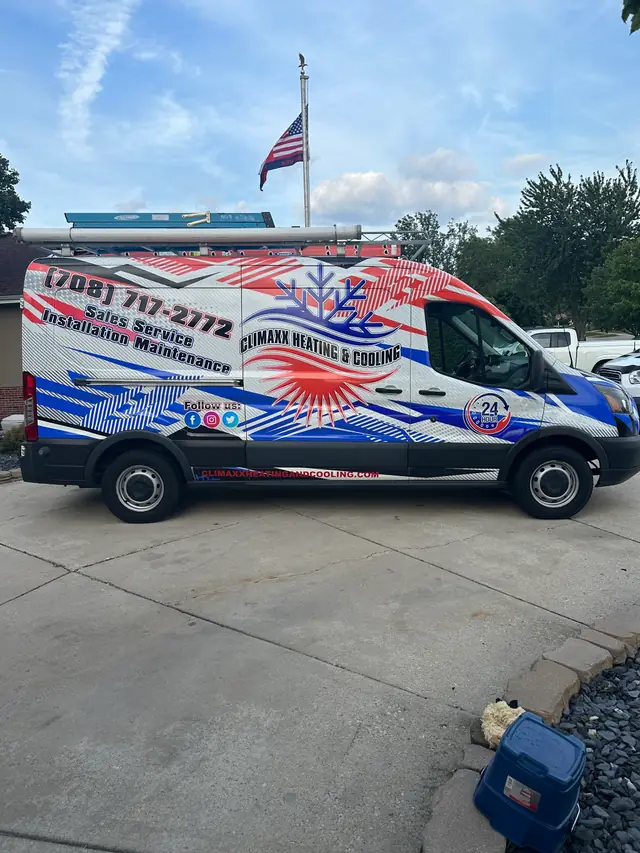
Heating systems have a talent for failing at the worst possible time. It is 11 p.m., it is well below freezing outside in Frankfort or Orland Park, and the house is getting colder. Before you panic, there are a few simple, safe things worth a quick look. And before anything else, there are a few situations where you should not troubleshoot at all.
Stop and get safe first
Some warning signs outrank any checklist. If any of these apply, skip the rest of this article and act.
- You smell gas, like rotten eggs or sulfur: leave the house right away with everyone inside. Do not flip light switches, do not use anything that could spark, and do not stay to look around. From outside or a neighbor's place, call your gas utility's emergency line or 911.
- A carbon monoxide alarm is sounding: get everyone out into fresh air and call 911. Do not silence it and go back to bed. Anyone with headaches, dizziness, nausea or confusion needs medical attention.
- You see smoke, scorching or a burning smell from the furnace or boiler: shut things off at the thermostat if it is safe to do so, leave, and call 911.
- Water is spraying or pooling around a boiler or hot water tank and you cannot tell why: keep away from electrical items and get help on the line.
None of those are a wait-until-morning situation. Safety first, repair second.
Simple checks that are safe for anyone
If there is no gas smell, no alarm and nothing alarming to see or smell, these are the checks that account for a surprising number of no-heat calls. They only involve things you operate every day.
- The thermostat: is it set to heat, and is the setpoint a few degrees above the room temperature? If it runs on batteries, a blank screen often just means fresh batteries are due.
- The breaker and the furnace switch: look at the main panel for a tripped breaker. Many furnaces also have a wall switch near the unit that looks like a light switch and gets bumped or turned off by mistake.
- The air filter: a badly clogged filter can make a furnace overheat and shut itself off. If it is dirty, replace it.
- The fuel and water side of a boiler: check that the thermostat is calling for heat and that nothing visible is leaking. Leave pressure and valve adjustments to a pro.
- Vents and returns: make sure furniture, rugs or closed doors are not blocking the registers and return grilles.
- Exterior vent pipes: if you have a high-efficiency furnace with white PVC pipes on the outside wall, check that snow or drifts have not buried them.
If something obvious turns up and the heat comes back, great. Make a note of what it was so you can tell the tech if it happens again.
What not to do
This part matters. Do not open up the furnace cabinet and start poking around. Do not bypass safety switches, jump wires, or relight a pilot you do not know how to relight. Do not run a gas oven or a range burner to heat the house, and do not run a generator, grill or any fuel-burning heater indoors. These are the moves that turn a cold night into a dangerous one. The furnace shuts itself off for a reason, and the reason is often safety.
Cold-weather problems worth mentioning
Chicagoland cold snaps expose weak spots. A furnace that limped along in October can quit when it has to run for hours straight. Pipes in an unheated crawl space, garage or exterior wall are at risk when the house cools down, so if the heat is out for long, keep cabinet doors open under sinks on exterior walls and let a faucet drip. If the heat is going to be off for a while, it is smart to get help sooner, not later.
When to call a 24-hour line
You do not need to wait for sunrise. Call right away if the simple checks did not bring the heat back, if the furnace starts and shuts down repeatedly, if you hear loud bangs or grinding, if there is water around a boiler or hot water tank, or if there are infants, older family members or anyone with health problems in the house. A cold home is a real problem for them, not an inconvenience.
It helps to have a few details ready when you call:
- What type of system you have: furnace, boiler or something else.
- What it is doing, or not doing, and what you already checked.
- Any noises, smells or error lights on the unit.
- How long the heat has been off and how cold the house is getting.
Cut down on the 2 a.m. surprises
Most no-heat nights are not truly random. Worn parts, dirty burners and neglected filters tend to announce themselves in the fall. A yearly check, done before the first hard freeze, is the cheapest way to avoid a long night. Change filters on schedule, keep the area around the furnace clear, and test your carbon monoxide alarms when you change your clocks.
Climaxx Heating & Cooling answers emergency calls 24 hours a day, 7 days a week, across Homer Glen, Mokena, Lockport and the surrounding towns. Reviewers describe a tech showing up within hours on a Saturday, and in under 30 minutes late on a Sunday night. If your heat is out, call (708) 717-2772, any hour.
Climaxx Heating & Cooling, (708) 717-2772
Call (708) 717-2772More articles
What SEER Actually Means When You Replace an AC in the Southwest Suburbs
A plain-English look at the efficiency number on the sticker, and how much of it your house will ever use.
AFUE Explained: 80% vs 95% Furnaces and When the Upgrade Makes Sense
Think of AFUE as the share of every dollar of gas that ends up warming your house instead of going up the flue.